

Most Australians treat a free keno screen like a quick arvo pastime, but the real value shows up when you know what you are actually testing. I have spent years designing research tools that help independent professionals control how they gather, filter, and store knowledge, and that same discipline applies here: a free play mode is only useful if you can read its limits without mistaking them for a promise. Free cleopatra keno sits in that middle ground, and the questions worth asking are less about chasing a flashy theme and more about whether the session gives you enough control to make a sensible call.
What You Are Actually Testing in Free Play
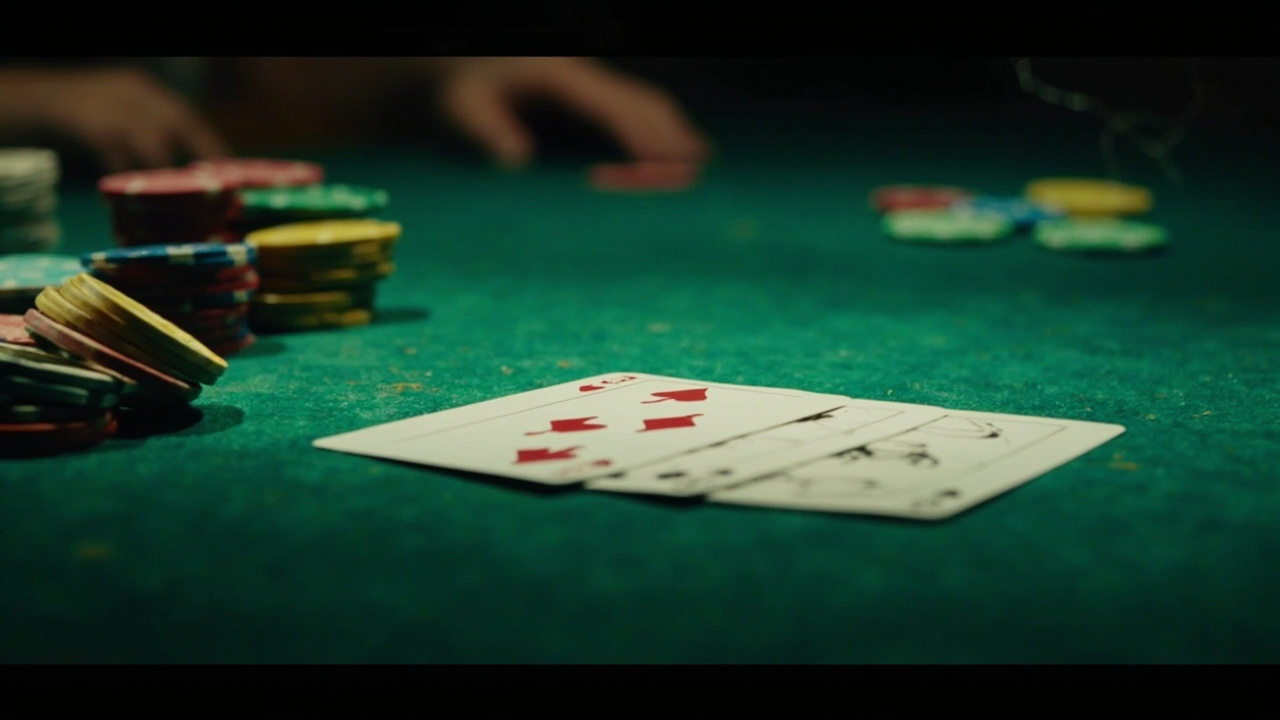
A free keno session strips out the money, but it does not strip out the rules, and that is where a lot of players misread the room. You are watching the same draw mechanics, the same hit frequency, and the same payline logic as the paid version, only without the pressure of a balance ticking down. I judge this the same way I judge a new knowledge tool: if the underlying workflow is clear and the controls are visible, you can actually learn something; if the interface hides the moving parts, you are just watching noise. Free cleopatra keno tends to show its hand here, because the numbers grid, ticket size, and draw count are usually front and centre rather than buried behind a theme. That matters for a quick decision, since you can see whether the pace feels measured or just busy for the sake of it.
The cleopatra theme is decoration, not a mechanic, so do not let it steer your read on the game itself. What you are really checking is how the ticket behaves when you change the number of spots, how often the screen updates, and whether the session feels like a repeatable pattern or a one-off spectacle. I would rather see a player spend ten quiet minutes mapping that behaviour than spend an hour chasing a streak that the free mode cannot actually confirm. If you want a second opinion on how other players describe the same kind of free draw, the notes on Perth gambling forums often flag the difference between a session that teaches you something and one that just burns time.
The Trust Side You Should Weigh First
Free play can feel harmless, but the account and platform behind it still set the tone for anything you might do later. Licensing is the first thing I look for, because a platform that cannot state its licence clearly is already asking you to fill in the blanks yourself. I build my own products around visible controls and clear boundaries, and I apply the same judgement here: if the terms, age gate, and jurisdiction notes are hard to find, the free mode is not as free of friction as it looks. Security is the next piece, not because a free keno ticket needs bank-grade paranoia, but because you should know whether the same login path, same privacy handling, and same support route would carry over if you ever moved to a real-money session.
Support is where a lot of platforms quietly reveal their priorities. A free mode does not need a big help desk, but it does need a clear way to answer basic questions about the game, the account, and the limits attached to the session. I would rather see a short, honest help page than a polished promise that falls apart the moment you ask a specific question. Responsible-play tools are part of the same check, because even a free session should sit inside a platform that offers reality checks, limit settings, or a clear stop point instead of nudging you to keep clicking. When I compare that setup to the way I design research workflows for solo professionals, the principle is identical: control has to be visible before it is useful, and a найдете больше platform that hides its controls is not earning much trust.
Payouts, Tickets, and the Limits of a Free Session
A free keno ticket does not pay out, but it still teaches you about the payout shape if you pay attention to the paytable and the way wins are described. The important distinction is between seeing a hypothetical win on screen and assuming that same result will translate cleanly to a paid session. I treat that the way I treat any demo data: useful for spotting structure, not useful as a forecast. The paytable, the bet per spot, and the number of draws all shape the experience, and free cleopatra keno usually lets you change a couple of those variables so you can see how the screen responds. That is the part worth using, because it shows you whether the game feels like a slow, steady ticket or a faster, more volatile one.
Currency and payment details still matter even when you are not depositing, because they tell you how the platform thinks about its players. If the same screen that shows a free ticket also makes the currency, any bonus rules, and any withdrawal or verification steps hard to understand, that is a signal worth noting. I would rather see a plain explanation of what is real, what is demo-only, and what would change if you moved to a paid account than a vague promise wrapped in theme language. The three-hour gap between AEST and AWST also matters more than people admit, because a support window or a live draw schedule that looks fine on one coast can feel awkward on the other. A platform that keeps those time zones in mind usually handles the smaller details better too.
Mobile Play and the Control You Want in Your Pocket
A free keno session on mobile is only useful if the controls are actually in your pocket, not just shrunk onto a smaller screen. I look for the same things I look for in any tool I would use on the move: clear buttons, readable numbers, and no awkward tapping just to change a ticket size or stop the session. Free cleopatra keno should let you adjust the basics without making you hunt through menus, because the whole point of a free session is to check the feel quickly, not to fight the interface. If the mobile version keeps the same ticket logic and the same draw pace as the desktop version, that is a good sign; if it feels like a different game, that is worth noting before you spend much time on it.
Registration and account setup are part of the same check, even for a free mode. A platform that asks for too much too early, or that makes the sign-up feel like a hurdle before you have even seen the game, is telling you something about its priorities. I prefer a short, plain sign-up that keeps the free session accessible without hiding what happens if you decide to continue later. Loyalty and bonus mechanics can sound exciting, but in a free keno context they are mostly noise unless they are explained in plain terms. If there is a loyalty path or a bonus structure, I want to know what it actually does, what it does not do, and whether it changes the free session at all. A mobile session that keeps the rules legible is worth more than one that dazzles for a minute and then leaves you guessing.
Checklist: Five Things to Check Before You Play
- Confirm the licence and jurisdiction notes are easy to find, not tucked behind a theme screen or a vague footer.Askgamblers
- Check whether the free session uses the same ticket logic and draw pace as the paid version, or whether the mobile version quietly changes the feel.extra-chilli-slot-au.com
- Read the paytable and the bet-per-spot setup so you understand the payout shape rather than just watching the numbers flash.
- Look for a clear support route and any responsible-play tools, because a free mode still sits inside a platform with real account controls.
- Note the currency, any bonus language, and what is demo-only, so you do not mistake a free session for a forecast of real-money results.
Free cleopatra keno is best treated as a quiet test of how a platform presents its game, its controls, and its rules, not as a preview of what you will win. If the session helps you see the ticket clearly, understand the pace, and judge the support behind it, then it has done its job. If it mostly feels like decoration with a numbers screen attached, you have still learned something useful, just not the thing the theme was trying to sell.